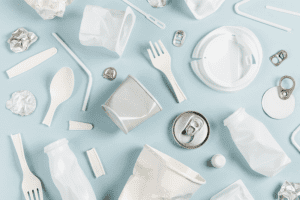
Only 12% of plastic waste used in Australia ends up recycled. For years, we’ve been sending plastic waste overseas to be processed. But now countries like China have refused to accept 99% of Australian plastic. Nowadays, our recyclables often end up stockpiled in landfills or littered on the side of the road in parks, nature and oceans. Plastic is polluting the environment ever...
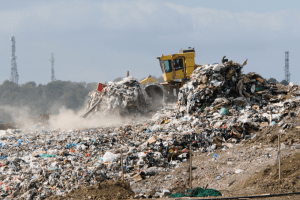
Waste is an issue that we will always have to deal with, as humans will never stop producing waste. It’s critical to have different waste management methods in place, both at home and the workplace to protect the environment. Not disposing of your waste properly can result in damaging nature. Keep reading to discover what landfills are, how they work, and the problems associate...

Whether you’re clearing out the house, office or your garden - it’s crucial to correctly dispose of your waste. If waste is incorrectly disposed of, it can negatively impact the environment and harm surrounding wildlife. There’s a lot of different rules surrounding waste disposal, so it can become confusing for individuals and businesses alike. Keep reading to discover what is...
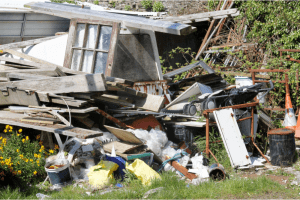
Most of us understand that it’s our responsibility to dispose of our rubbish in a moral and ethical manner, either by hiring a skip bin, taking it to a recycling center or rubbish dump. For larger items, Bonza Bins can help you get rid of it cleanly, quickly and efficiently. Unfortunately, some people opt to dispose of their trash unethically resulting in fly-tipping. What is...
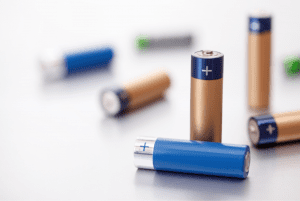
Lithium batteries power our smartphones, laptops and many of the devices we use each day. It’s important we know how to properly dispose of the batteries to prevent contamination. These batteries are made up mostly of other metals, including iron, cobalt, nickel, copper and aluminium. With the demand for non-renewable resources increasing, it makes sense that we would recycle...
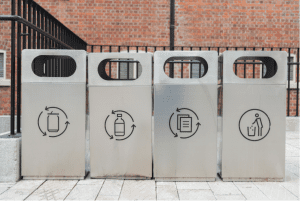
It’s important that we are aware of what stuff goes in which bin to avoid contamination. When contaminated loads of recycling are found, it can potentially result in the whole load ending up in landfill. Here’s 10 tips on how to make sure you aren’t contaminating your rubbish. Look out for recycling labels Keep an eye out for the recycling labels on the back of packages and bo...

It’s no hidden fact that we are constantly glued to our devices - laptops, tablets, TV’s and most of all - our phones. It is estimated that in 2021, around 1.5 billion mobile phones will be shipped. That averages out to be 1 for every 5 people. Unless they are traded in for a new device, each of those devices will eventually run their lifespan and become electronic waste. The m...

Australians generate over 67 million tonnes of waste each year. Of that number, 54 million tonnes is referred to as “core waste” and is dealt with by the waste and resource recovery industry. After we toss our rubbish in the trash and it gets collected, we don’t give much thought onto what happens next. Where your recycling ends up depends on what kind of material it is. Broken...
The guidance around what can or can’t go into the recycling bin can be confusing at best. During the lockdown, Australia had seen a massive increase in general household rubbish and waste disposal. We have seen an influx of more online shopping, home renovations, and general household waste from more people staying at home. Australian’s are known to produce 540kg of household w...

Most of us want to help the environment by recycling as much as we can. Australian’s are known to produce 540kg of household waste per person, each year. As a result, the country is generating an estimated 67 million tonnes of waste, but only 37% is being recycled. Below are some ways to get your kids involved in upcycling, and let them turn their waste into a fun creative proj...
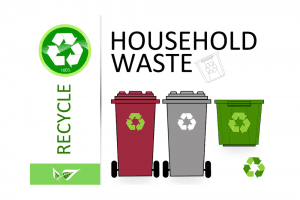
The term “reduce, reuse, recycle” was popularised during the environmental movement in the 1970’s and has never been more relevant. However, there is some confusion around what can and can’t be recycled. Here’s a list of surprisingly recyclable vs non-recyclable household items. Recyclable Items: Office paper Phone books Paper grocery bags Paper egg cartons Jars Skin...
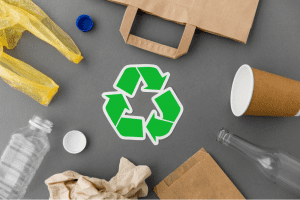
Most of us want to help the environment by recycling as much as we can. Australian’s are known to produce 540kg of household waste per person, each year. As a result, the country is generating an estimated 67 million tonnes of waste, but only 37% is being recycled. To battle the war on waste, we all have to do our part with recycling. Here are some simple tips to recycle more e...