It’s no hidden fact that we are constantly glued to our devices – laptops, tablets, TV’s and most of all – our phones. It is estimated that in 2021, around 1.5 billion mobile phones will be shipped. That averages out to be 1 for every 5 people.
Unless they are traded in for a new device, each of those devices will eventually run their lifespan and become electronic waste. The most recent figures from the ABS show that the Australian economy generated 465,818 tonnes of e-waste in 2016-2017 with 253,507 tonnes (54.4%) ending up in landfill.
Electronics can contain toxic substances such as lead, mercury and cadmium which must be disposed of carefully. Many of the materials used in making these products can be recovered and reused, including plastics, glass, metals and aluminum. No matter what, make sure you completely erase all your personal info off your devices. Here’s a few steps on how to safely recycle your electronics.
If your used device still works, or even if it doesn’t – there are charities and nonprofits out there that would be happy to take it off your hands. You can check with local organizations, charities and recreation centers.
Many phone shops offer recycling programs for used or broken phones. Alternatively, If you’re looking to upgrade your phone, you can look at trading in your old device and using a credit towards getting a new one.
With devices being inexpensive and so easy to upgrade, with new things releasing every day we often don’t think about repairs. Lot’s of things can be repaired, you can search for local repair shops in your areas and help out a small business.
There’s definitely money to be made by selling devices that aren’t so old on sites like Gumtree or Facebook Marketplace. If you have family or friends who love to repurpose old gadgets to create something new, it might be worth donating those older devices to them for an upcoming project.
Depending on what you choose to do with your old devices, whether you donate, recycle or repurpose. Safely disposing of your electronic waste is very important. For most other types of waste, make sure to get in touch and order the best skip bins in Fremantle. If you have any questions, contact us! The most affordable skip bins Fremantle!
Australians generate over 67 million tonnes of waste each year. Of that number, 54 million tonnes is referred to as “core waste” and is dealt with by the waste and resource recovery industry. After we toss our rubbish in the trash and it gets collected, we don’t give much thought onto what happens next. Where your recycling ends up depends on what kind of material it is. Broken glass, food, plastic bags, rubbish and liquids increase the chance of the material being sent to landfill.
While efforts made to recycle have improved over the years with our consumption of plastic materials constantly increasing. It’s more important than ever that we work on reducing the amount of waste that makes it to landfill.
A large amount of waste – roughly 6.7 million tonnes is organic waste from food and gardening scraps. These create methane-rich greenhouse gases as they decompose. Only 2 percent of our waste is converted into energy.
It’s estimated that about 130,000 tonnes of Australian plastic ends up in waterways and oceans each year. The three main ways in our waterways, according to WWF, are littering, products like wet wipes being flushed and plastic flying away from landfill processing.
There are a few steps before recycling to prepare for what is called “manufacture ready”.
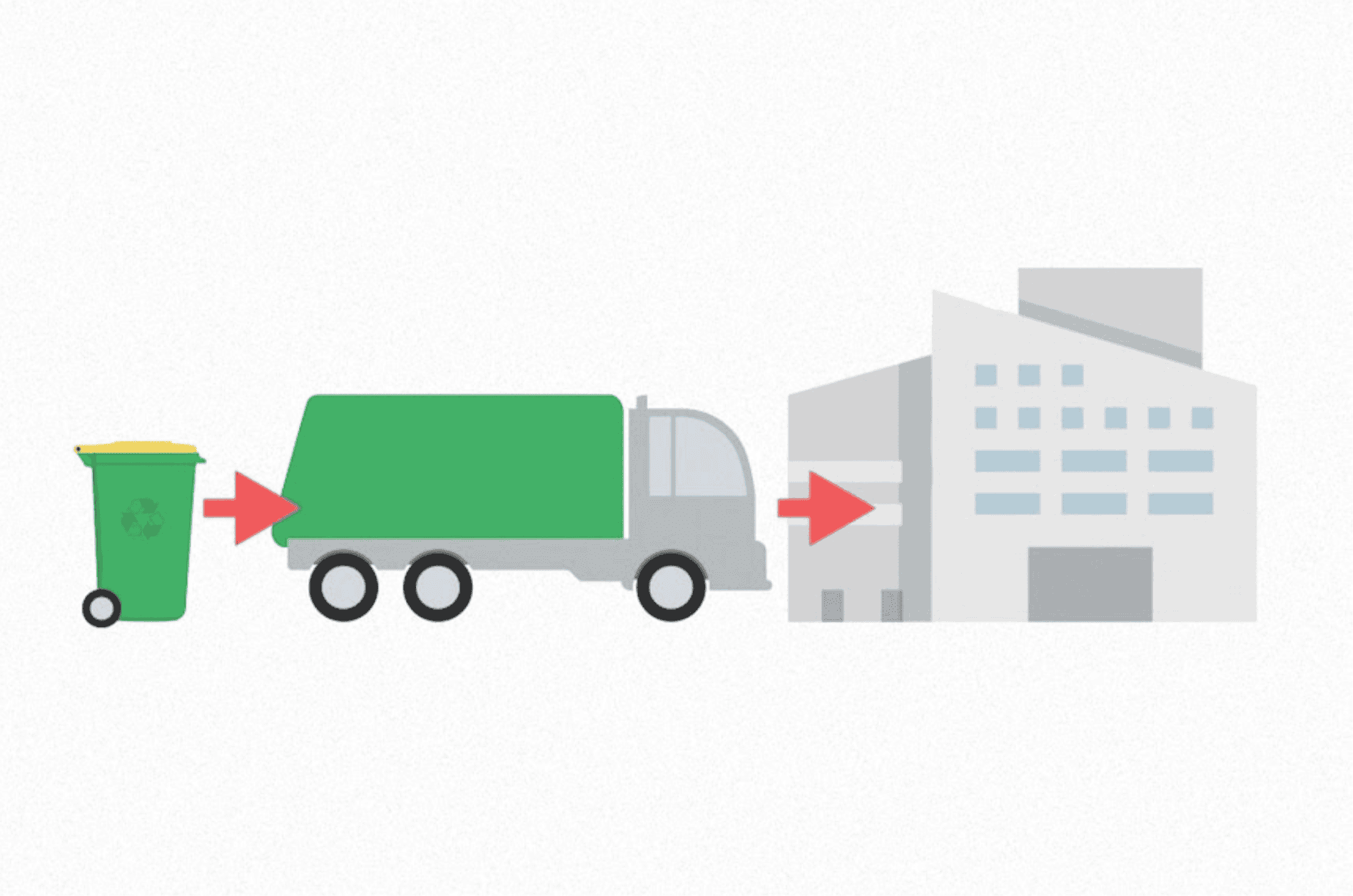
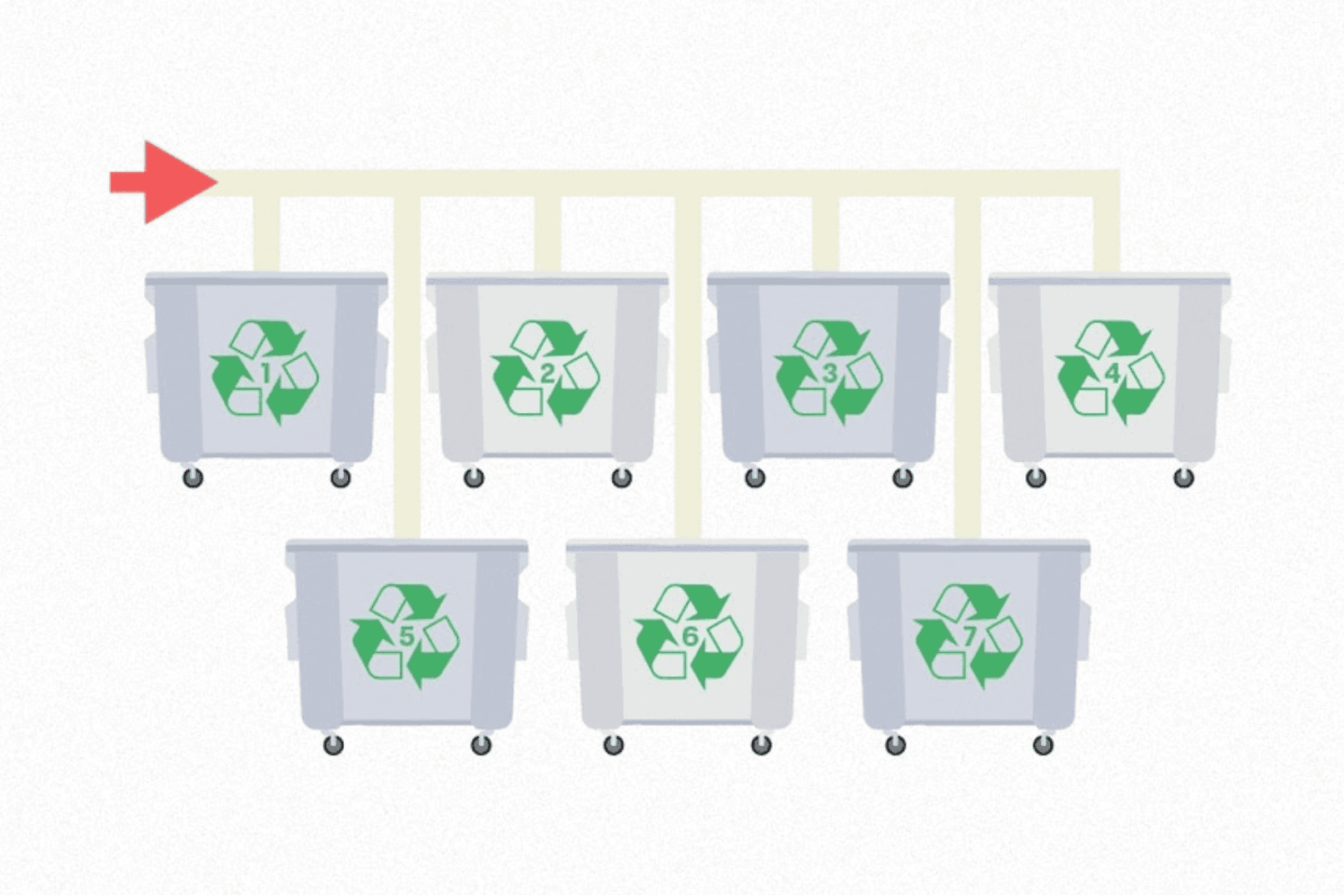
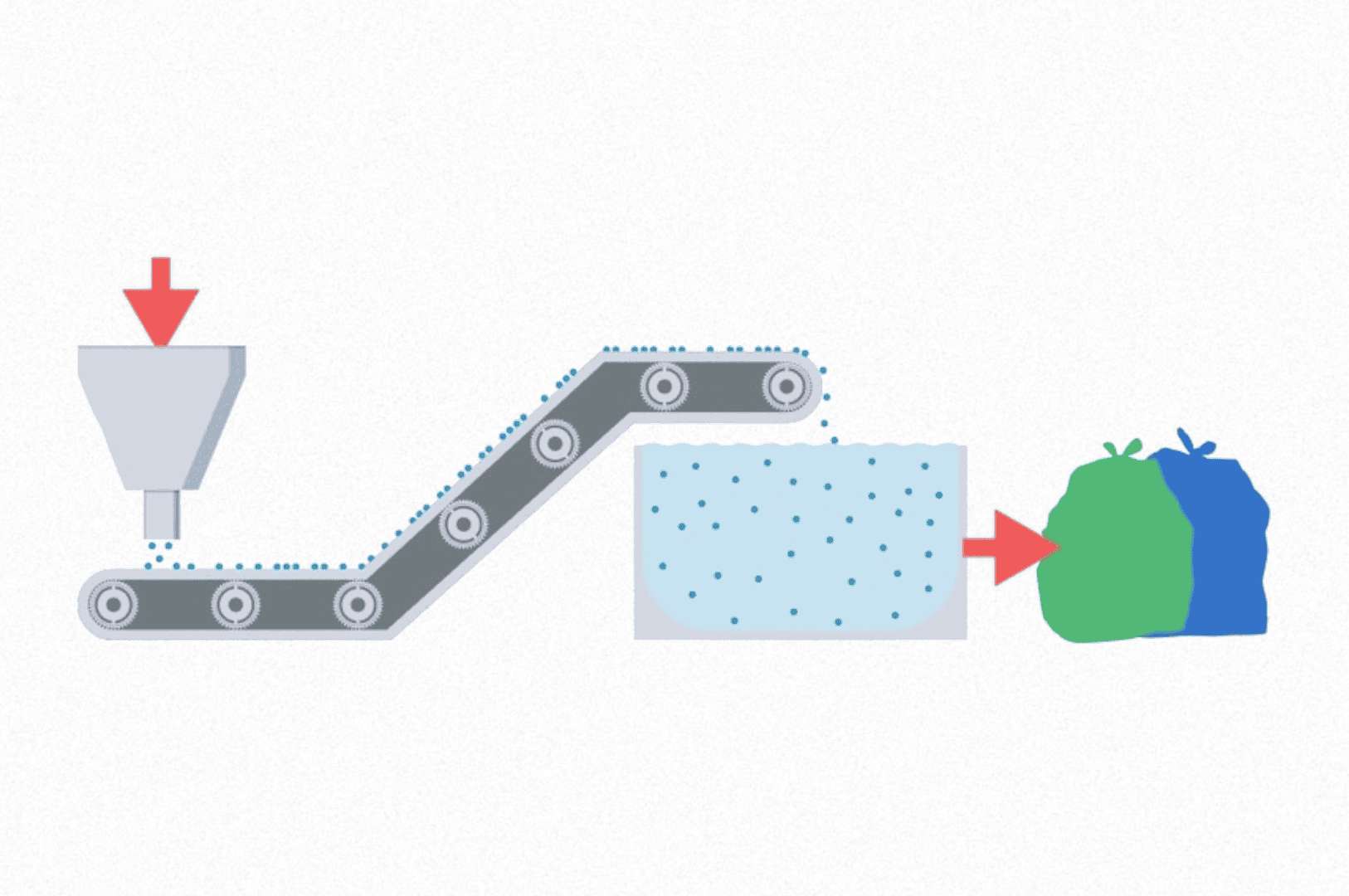
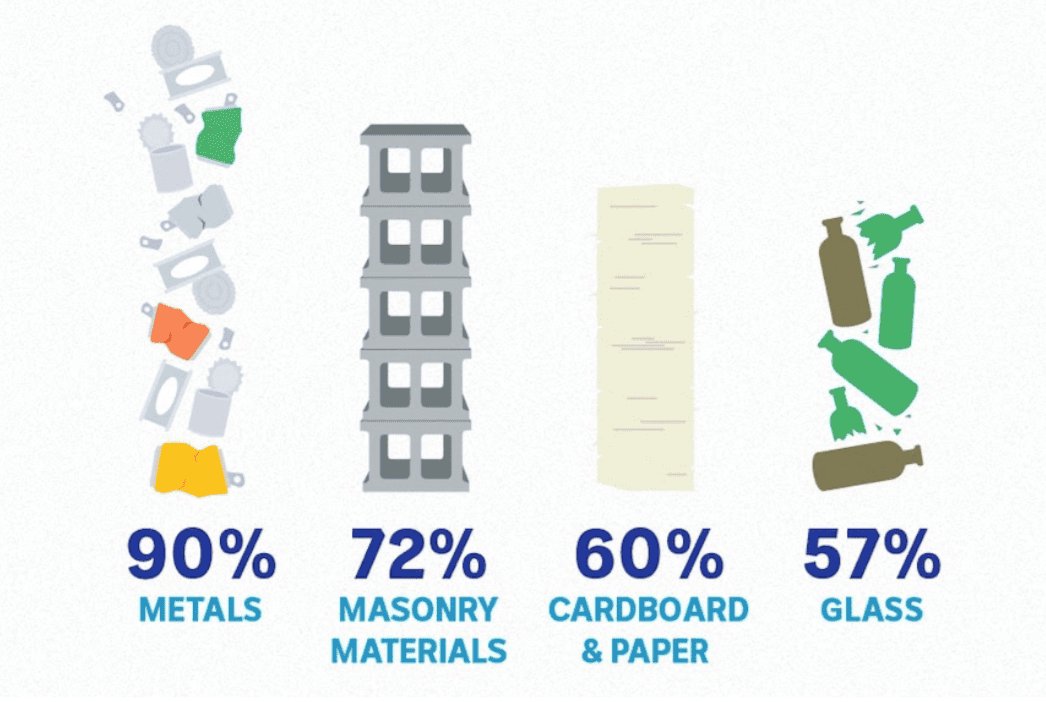
Most of the time, even when your recycling is placed in the right bin – a lot of it is unusable due to contamination. Broken glass, plastic bags, waste, food and liquids all increase the chances of the materials being sent to landfill. Things like plastic-lined paper, tissues and glassware often don’t make the cut.
While we work on educating ourselves and those around us on the proper way to recycle, we still need to dispose of our waste. Skip bins are a great way to dispose of your household waste in a safe manner, anything from green waste to construction scraps. Bonza Bins will gladly help you out, need more info? Contact us. The most affordable skip bins Fremantle!
The guidance around what can or can’t go into the recycling bin can be confusing at best. During the lockdown, Australia had seen a massive increase in general household rubbish and waste disposal. We have seen an influx of more online shopping, home renovations, and general household waste from more people staying at home.
Australian’s are known to produce 540kg of household waste per person each year. As a result, we are generating 670 million tonnes of waste each year as a country. However, only 37% of this amount is actually being properly recycled. Despite the increased awareness over the years, you might be surprised at how much of our waste is actually being recycled. Here’s our handy guide on how to recognize recycling and waste symbols.
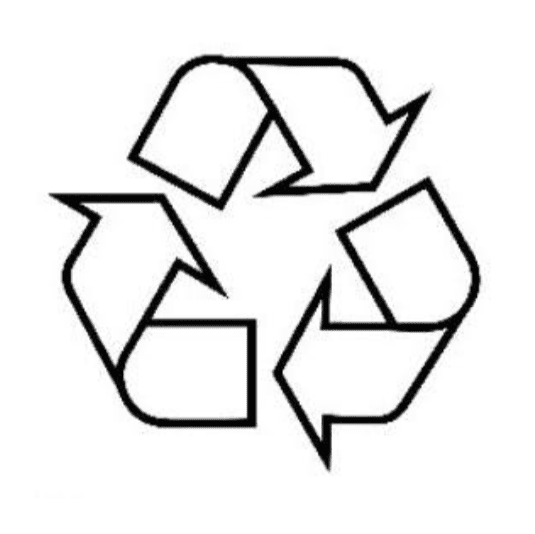
The most recognizable symbol of them all is the Mobius Loop. It’s safe to say all items with this symbol are recyclable. However, before you toss your item into the trash it doesn’t guarantee the item will be accepted by your local authority. It only means that the item can be recycled. Keep scanning the product’s label or check in with your local authority to confirm.
Helpful hint: If a percentage appears in the middle of the Mobius Loop, this tells you how much of the product is made from recycled materials.
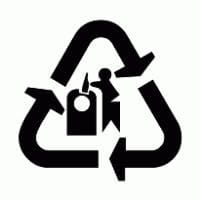
This symbol is a reminder to recycle in the glass container. Be sure to check if you must separate by colours.
Helpful hint: Glass produced from recycled glass reduces related air pollution by 20% and related water pollution by 50%.

This represents packaging made from recyclable aluminium that can be recycled again.
Helpful Hint: Recycling steel and aluminium saves up to 95% of the energy required to produce metals from raw material.
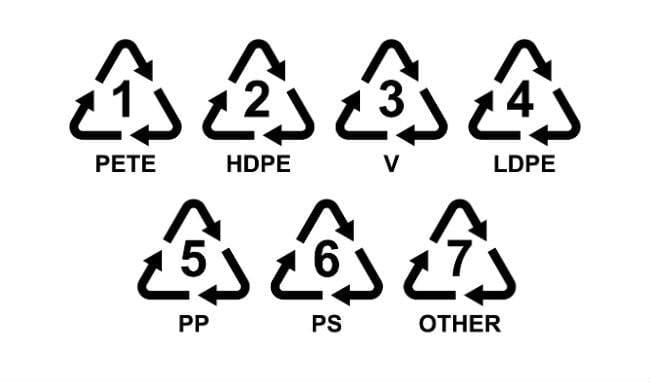
These codes represent the type of plastic an item is made from and are not a reference to whether it is recyclable or not. Local authorities tend to not ask you to recycle your plastic by resin codes. If you are unsure, check with your local council.
Electrical Waste
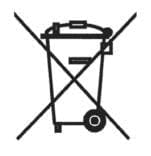
This means do not dispose of electrical items in your general waste. There are various organisations and channels that will recycle electrical waste. The best point of contact is your local authority.
Paper and Card
Glass
Aluminium
Electrical waste
Batteries
Plastics
Find out about your local waste management system as they vary. Work on educating those around you on how to properly reduce, reuse and recycle. If you are looking to dispose of excess household waste after property renovations check out Bonza Bins skip bin hire. If you have any questions, don’t hesitate to contact us. The most affordable skip bins Armdale!
Most of us want to help the environment by recycling as much as we can. Australian’s are known to produce 540kg of household waste per person, each year. As a result, the country is generating an estimated 67 million tonnes of waste, but only 37% is being recycled. Below are some ways to get your kids involved in upcycling, and let them turn their waste into a fun creative project.
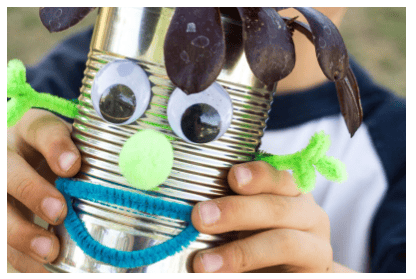
This amazing idea to upcycle your tin cans and turn them into planters. You can have the kids decorate these however they want, and then plant their favourite flower.
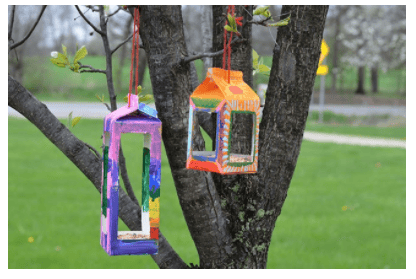
Don’t toss out your empty cartons, reuse them to create these cute bird planters which your kids can decorate with their favourite paints and colours.
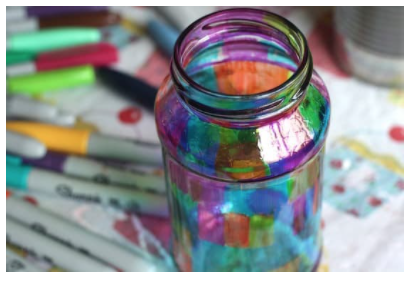
Stained Glass Jars
If you’ve reused all your old pasta jars but they keep piling up, you can get the kids involved in this fun activity. Colour in your old glass jars with sharpies, these can be reused as pencil holders.
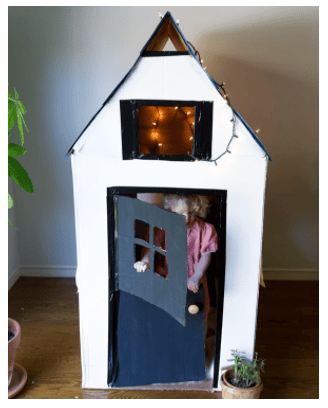
If you’ve got extra cardboard laying around the house, this DIY playhouse is the perfect upcycling hack. The kids can decorate it however they want, and it’ll make playtime more entertaining.
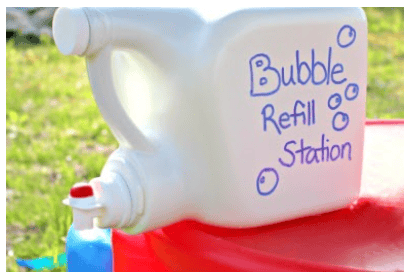
Bubble Refill Station
Reuse your old detergent bottles and create this fun bubble refill station for the kids to play with.
We can all make a difference with our waste management, even if you follow a few of the upcycling ideas above. At Bonza Bins we make rubbish removal easy. We accept almost any kind of waste and we have skip bins of any size to cater to your needs. For more information about our services, make sure to get in touch and order the best skip bins in Armadale and the Southern Suburbs.
The term “reduce, reuse, recycle” was popularised during the environmental movement in the 1970’s and has never been more relevant. However, there is some confusion around what can and can’t be recycled. Here’s a list of surprisingly recyclable vs non-recyclable household items.
Recycling doesn’t have to be difficult, knowing these simple recycling do’s and don’ts can make all the difference. At Bonza Bins we make rubbish removal easy. We accept almost any kind of waste and we have skip bins of any size to cater to your needs.
Be sure to check with your local council about recycling as it may vary depending on where you live. For more information about our services, make sure to get in touch and order the best skip bins in Fremantle and the Southern Suburbs.
Most of us want to help the environment by recycling as much as we can. Australian’s are known to produce 540kg of household waste per person, each year. As a result, the country is generating an estimated 67 million tonnes of waste, but only 37% is being recycled. To battle the war on waste, we all have to do our part with recycling. Here are some simple tips to recycle more effectively at home.
It’s important to take our recycling habits into our schools. It’s estimated that around 80% of what is used at school can be recycled. Providing children and adults with exposure to the importance of recycling, to help us all live in a greener and healthier community.
The last major place you can make a difference is recycling at work. Here are a few tips to make some big changes to increase your recycling habits within the office.
Managing waste is one of the challenges our country is facing right now. We can all make a difference by even following just a few of the above tips. At Bonza Bins we make rubbish removal easy. We accept almost any kind of waste and we have skip bins of any size to cater to your needs. For more information about our services, make sure to get in touch and order the best skip bins in Canning Vale and the Southern Suburbs.
Each household has at least one box of old electronics lying around – much like that box full of cables that you can’t bring yourself to chuck out. You might not be purposely collecting old electronics like laptops and phones, but if you’re like most people, you have no idea what to do with them. You might also be concerned about data safety. So you just end up keeping them for years.
With millions of televisions, computers and mobile phones discarded in Australia each year, you might be wondering what happens to them? Do they end up in landfill? Read on to find out what happens to E-waste!
In 2011, the Federal Government implemented a program (NTCRS) to collect and reuse electronics from companies that import or manufacture more than 5000 devices per year. Through this scheme, the companies help recover end-of-life products and divert them from landfill. These products end up being recycled.
As you might know already, electronics are categorized as household hazardous waste and cannot be placed in regular bins or skip bins. So you won’t be able to gather all of them and hire a bin to get rid of them!
The good news is that there are over 1800 collection points across the country where you can drop off your unwanted TVs, phones, laptops and other electronics. They are then dismantled by material type – plastics, glass, circuit boards, batteries and so on.
The recycling of different parts is more of a global effort instead of a local one.
The circuit boards are sent to Japan, where a chemical process is used to recover precious metals like gold, silver or copper. The batteries are sent to Korea, where they are recycled and substances like lithium and cadmium are recovered. Steel, copper and aluminium are processed in Australia, while a fair portion of plastics is sent in China.
This is one of the main concerns when it comes to throwing away laptops and computers. You might be worried about your computer data and how it’s handled – you wouldn’t want anyone to gain access to it!
You can rest assured there’s no data security issue to be concerned about when it comes to recycling. All the elements of an electronic device are dismantled and destroyed. This means the data is wiped away as well.
The situation is very different if you’re donating the computer or laptop. Then you would want to make sure you erase everything on the hard drive. There are companies that specialise in this and can offer you a wiping certificate as well.
Mobile phones are recycled through Mobile Muster, a voluntary scheme established 20 years ago. As the process is similar with computer recycling, no need to worry about your data. The pieces are dismantled and sent off for material recovery.
If you want to be extra cautious, it’s not a bad idea to erase everything on your phone by either manually deleting and logging out of any apps or doing a factory reset. But if it’s broken and you can’t turn it on, don’t worry about it. Everything will be destroyed.
Recycling electronic waste is very important, as most devices can be repurposed into new ones. For most other types of waste, make sure to get in touch and order the best skip bins in Armadale and the Southern Suburbs.
Skip bins are very versatile and can hold many types of rubbish, from green waste and household items to construction and demolition waste. However, there are certain items that cannot be disposed of via skip bins. Household Hazardous Waste (HHW) fits into that category.
Find out what hazardous waste is and how it can be removed from your property in a safe manner!
There are certain items in your home that are dangerous when placed in regular kerbside bins or skip bins, as they are corrosive, flammable, explosive or very toxic. Household hazardous waste can be disposed of at HHW Permanent Facilities throughout WA.
Even these facilities will only accept certain types of hazardous waste, up to a limit of 20 kg per material type:
Waste that is NOT accepted by HHW Permanent Facilities needs to be attended to through other programs. Here are the materials you should never place in a regular bin or a skip bin:
Contact your local council to find out how to dispose of any of the above. They can guide you to the right facilities.
Skip bins can be used for most common types of waste. For example, Bonza Bins accept building rubble (bricks, tiles, concrete, sand), garden and general household waste, whitegoods, wood etc. Many skip bin companies do not allow you to mix “heavy” and “light” materials. In a Bonza Bin you are able to mix these.
So if you’re renovating, moving out or simply doing a thorough general cleaning, contact your friendly bin hire in Fremantle! Just let us know what kind of rubbish you plan to dispose of and we can recommend the perfect bin for you!
It’s a well-known fact that we create enormous amounts of waste. And while the regular rubbish bin might do the day-to-day job, sometimes you need a skip bin to dispose of waste. For example – if you’ve renovated your home and need to get rid of old furniture. If you’ve cleaned your garden and ended up with a large amount of green waste. Or if you’re moving out of a long term rental and need to do a big cleanup.
The first time you order a skip bin, you might be overwhelmed by all the choices. How on earth do you know what size or type of bin to order? You definitely don’t want to make “rookie” mistakes that will end up costing you more.
Stress less! Read our beginner’s guide to hiring a skip bin and rest easy knowing exactly how to get the bin you need.
Skip bins can be hired for projects big and small, but there are situations where it’s really necessary to get one, like when you move out or renovate. You can use a skip bin for anything from green waste and household items to construction and demolition waste. There are a few exceptions you need to be aware of. The following items cannot go into a Bonza skip bin:
In the case of fibre cement, our team will ask you to leave it at the top of the bin, so that one of our drivers can make sure it is not asbestos.
It’s also good to keep in mind that there is a restriction on the number of bed mattresses you can fit in a skip – maximum 2 per bin.
Skip bins conveniently come in different sizes to suit your specific needs. For example, we offer bins that range between 3-10 cubic metre. One cubic metre is approximately one standard (6×4) trailer load of rubbish. The 3 m³ skip bin will hold approximately 3 standard trailer loads of rubbish.
The type of waste you plan to dispose of (light or heavy) also influences the price of the bin. Bins that hold heavy waste are more expensive than lighter things.
Light waste types:
Heavy waste types:
Once your skip bin is delivered, it will need to be placed on your property – usually on the verge, for easy collection.
If you don’t have enough room for a skip bin on your land and need to use public property. You’ll have to contact the local council for approval if you need to place it on public property.
Whether you’re moving out or spring cleaning, you want a hassle-free experience when you hire a skip bin. Here are 3 tips to avoid the most common rookie mistakes people make when hiring a skip bin.
Need skip bin help?
Bonza Bins is a family owned and operated business that specialises in providing skip bins to Perth’s southern suburbs for the removal of residential and commercial waste. If you need to dispose of a large amount of waste, get in touch with the best bin hire in Canning Vale and we’ll ensure a hassle-free experience from start to finish.
Renovations are at an all time high since isolation started a few months ago – truth be told, a house makeover is the kind of project that can keep your mind busy and reduce anxiety.
You don’t need to go big or go home! While major renovations are exhausting and expensive, there are quite a few small changes you can make to modernise your home without breaking the bank!
Here are five easy ways to update your house and give it a fresh new look.
Decluttering is a big job, we admit it. But it’s definitely worth the effort! Designate a day or two to spend only on this tedious, but very necessary task.
While each person has their own way of tidying up, it might be a good idea to do some research and choose a tried and tested approach, like Marie Kondo’s method.
At the very least, you need to focus on a few categories of objects that most of us end up hoarding without even realising it: clothes, books, papers, cables and cords, kitchenware etc. Make sure to throw away the objects you don’t need – like that electric socket adaptor you bought 15 years ago and never used. You’ll be amazed how many of the things in your house have the sole purpose of gathering dust (and being an eyesore).
Once you’re done with throwing useless items away and organising the items you want to keep, you can move on to sprucing up your home!
One of the cheapest ways to update and modernise your home is to change fabrics like: bed covers, throws, pillow cases, curtains, towels etc.
Before you run to Ikea, make sure you have a colour scheme in mind! Fabrics in bold colours can really give your home that oomph it’s missing, but it’s important to understand how to use them to their best potential. The easiest way is to play around with complementary colours: for example, if your bedroom’s main colour is blue, a splash of orange will have a stunning effect.
While you might be trying to reduce costs, we do recommend investing in good quality fabrics that really give off that cosy-and-opulent vibe you see in every interior design magazine.
This is the fun part of a low-cost home modernising project! With a little help from your partner or some friends, you can give any room a total makeover by simply changing its configuration.
Most furniture rearrangements are intuitive – you’ve probably thought about moving things around, but you never got to it. Well, now is the time! And if you really want to take things up a notch, why not look into the ancient art of Feng Shui?
If you do have some spare cash to spend on your home, it’s not a bad idea to invest in a new sofa, a nifty armchair or a pretty coffee table – a single item can make a massive difference in the flow and vibe of a room.
Good lighting can make or break the look and feel of any space. While an abundance of natural light is always good, when it comes to artificial light we recommend changing static light switches with dimmers, a truly rewarding venture that you’ll thank yourself for!
As with fabrics, lighting solutions are for a home what accessories are for outfits. They can make a world of difference, so consider changing a few lamps and if you’re feeling more adventurous than that, invest in a jaw-dropping chandelier.
Nothing gives a home a more dramatic update than a fresh coat of paint. It’s also an easy and fun DIY project you can take on without hiring anyone.
Whether you choose to refresh the current colours or go for a new palette all together, your home will look totally transformed! Pro tip: find out what the hottest colours of the year are and take your home reno project to the next level!
Updating your home doesn’t have to be expensive – with a few smart changes you can achieve a magazine-worthy house in no time! If your decluttering and modernising efforts result in a large amount of waste, be sure to contact the most affordable bin hire in Canning Vale!