Are you daunted by recycling? We’ll be honest, the push for recycling has become bigger over the last couple of years. However, we promise the process isn’t complicated. This is your approachable guide to recycling. The dos, don’ts and how you can get started today.
In WA, you will typically have access to three bins – red waste, yellow recycle and green garden waste. Not every suburb has immediate access to the green bin, however, it is something you can request from your local council.
So, what can you recycle in your yellow-top bin?
Are there any exceptions? Generally, food waste on your recyclable items is a big no-no. For example, a pizza box with melted cheese all over it cannot be recycled. Another example is an unrinsed tin food can such as beans or tomato. While the cardboard box is a little harder to clean, food tins can be simply rinsed and then placed in the yellow-top bin.
OK so, we hope you’ve got a handle on what you can recycle. But what can’t you recycle?
For plastic bags and soft plastics, our tip is to package them together and take them to your local grocery store e.g. Coles and Woolworths. These stores have soft plastics recycling initiatives. Alternatively, a soft plastics company like RedCycle (or equivalent) may be available in your area.
Depending on where you live, whether it’s in a metro or regional area, your local council will have a recycling plan. We recommend contacting your local council and discussing your needs, and what resources you have available to you in your area to help you get started.
Did you know a skip-bin provider can also provide you with additional recycling advice and services? If you are looking to implement a waste segregation system, or get rid of large amounts of household waste, contact Bonza Bins.
Bonza Bins provides the most affordable skip bin service in Atwell.
Do you struggle to comprehend how one individual can make an impact on the environment? It’s a myth that one individual can do no damage. In fact, the power is with the individual and their choices. Waste segregation is the easiest action you can take to do your bit for the environment. How does it all work? This article will explore why we should sort waste at the source, how to do it and how we can encourage those around us to do it too.
Who remembers the days of the sole red waste bin? We’ve come a long way in understanding how we can separate our waste, or bring new life to our environment. Without waste segregation, our waste would compound and generate a larger problem for the environment, and the places we call home. To minimise our waste problem, the 4-bin-system was introduced. This system applies both to the average Joe, businesses and collection services. So, which bin does what? How do you use them effectively?
RED BIN
The red waste bin is your standard household, workplace bin for general waste. But the red bin is not for everything. Here is what you can put in the red bin.
Here is what CAN’T go in a red waste bin.
YELLOW BIN
The yellow bin is for all your recyclable goods, and must NOT be used as a secondary red waste bin. Here is what you can put in a yellow bin.
Here is what you CAN’T put in a yellow bin.
GREEN BIN
The green bin is for your green and compostable waste. This is the bin with waste items that breed life into our environment. Here’s what you can put in the green bin.
Here’s what you CAN’T put in the green bin.
BLUE BIN
The blue bin is the newest bin, and can sometimes be identified under a different colour. However, most commonly, the blue bin homes soft plastics. Here’s what you can put in the blue bin.
Here’s what you can’t put in the blue bin.
Our actions have consequences, as much as they can evoke change. While it can be discouraging to see others doing the wrong thing, with education comes power to share and teach others. Here are our tips for the workplace, and home.
Workplace
Home
In conclusion, waste segregation starts with the individual and can have positive knock-on effects with others when handled correctly. An effective waste management system has the power to demystify the process, and makes waste management easy!
If you are looking to implement a proper waste segregation system, or dispose of heavy waste contact our Bonza Bins team. Bonza Bins provides the most affordable skip bin service in Fremantle.
Are you stuck for ideas on how to repurpose, or dispose of your timber waste correctly? Timber wood is a valuable and versatile wood type. Instead of throwing it in red bin waste, let’s save some trees and learn what is classified as timber waste, and how to safely dispose of it.
Timber is a popular wood type commonly used to build homes, building structures and furniture. Timber must be cut to size for the intended product, which generates timber waste in the form of timber fragments and sawdust. Often, this timber waste is thrown away out of convenience. However, timber waste has great potential to be repurposed into a variety of products such as furniture and garden wood chips. Instead of throwing away your timber, let’s learn how we can safely repurpose our timber waste.
Repurposing and or recycling timber is beneficial to the environment. By salvaging timber you protect our natural resources, reduce gas emissions and prevent unnecessary landfill waste. When you recycle timber, you reduce the need for forest logging. Here are a few ideas for you to consider next time you find yourself with some scrap timber.
While not every use of timber has been noted in the article, it is encouraged to think twice before disposing of your timber waste and be imaginative with what you can use it for. However, if you need to dispose of your timber waste, we have a safe process for you to follow.
Disposing timber is necessary for building companies, and individuals who do not have a use for the timber waste. Here are our disposal tips.
Alternatively, Bonza Bins provides a reliable and efficient skip bin service for all your timber waste needs. The timber is recycled and or, disposed of correctly.
In conclusion, timber has the capacity to be repurposed in a variety of ways before it’s taken to landfills. Managing timber waste correctly will reduce deforestation, and support sustainability in Australia. If you are looking to dispose of timber waste contact our Bonza Bins team for assistance. Bonza Bins provides the most affordable skip bin service in Armadale.
Moving house can instantly evoke stress, and bit of an eye twitch! Overtime, it’s easy for your house to fill up with unwanted goods. Here are 7 Bonza Bins tips to make waste removal easy when you’re moving properties.
Rubbish Removalist
If you have unwanted goods or large quantities of waste you need removed, we recommend hiring a rubbish removalist, such as Bonza Bins. Rubbish removalists will recycle, and or dispose of your waste correctly. This service will completely remove the burden from your move, and provide the peace of mind you have disposed of your unwanted goods properly.
Garage Sale
Someone’s trash is another person’s treasure! Keep this in mind before throwing your unwanted goods into the landfill. Before you move house, consider hosting a garage sale to make some extra cash and rehome your unwanted goods. We recommend advertising your garage sale on local social media pages, and putting up biodegradable signs around your neighbourhood.
Repurpose
Before you sell, donate or dispose of your unwanted goods – have you considered if it can be repurposed? Does your dressing table just need a sanding a new coat of paint? Could your dining table be fitted with new table legs to modernise the piece? Even if you do not plan to keep the piece long term, repurposing goods will extend the shelf life and increase the odds of it going to a new home. If you are unsure of what it takes to repurpose something, we recommend heading to YouTube and researching what other people have done previously to extend the life of their goods.
Donate
Donations help the world go round. If money is not an issue, donating goods is a fantastic way to move your unwanted goods into a new home. Contact local charity shops, or advertise on social media for free. Alternatively, ask around in your own network. You never know what people are in the market for!
Sell Online
The internet provides a wealth of opportunity to rehome your unwanted goods. Use social platforms such as Facebook Marketplace, Gumtree or eBay to advertise your products. Alternatively, seek out ‘Buy for Nothing’ pages on Facebook to rehome your unwanted goods. We recommend advertising a few weeks before you move to have ample time to move the goods onto their new home.
Utilise Red Bin
This one is pointing out the obvious, but stay with us. By creating a moving plan, and packing early you can reduce the need for external services. In your plan, make a note of what you need to get rid of before the move, and generate a timeline. Week by week, dispose of your rubbish in either the red waste bin or recycling bin. Future you will thank you.
Skip Bins
Skip bins are a fantastic option to remove heavy waste from your property before moving. If the red bin isn’t cutting it, hire a skip bin service, such as Bonza Bins to remove your property waste. Skip bins are great for large items such as furniture, electronics and garden clippings.
Conclusion
In conclusion, moving house doesn’t have to be a headache. Before the move, create your waste plan and move into your new home lighter than before!
If you are moving house, or disposing of heavy waste contact our Bonza Bins team. Bonza Bins provides the most affordable skip bin service in Canning Vale.
Only 12% of plastic waste used in Australia ends up recycled. For years, we’ve been sending plastic waste overseas to be processed. But now countries like China have refused to accept 99% of Australian plastic.
Nowadays, our recyclables often end up stockpiled in landfills or littered on the side of the road in parks, nature and oceans. Plastic is polluting the environment every day, and we need to create more proactive solutions.
What can I do?
There are many ways you can help reduce the amount of plastic pollution. A great place to start is from home. Many of us are unknowingly contributing to plastic pollution by using large amounts of single-use plastics. Some small changes you make at home could potentially contribute massively to reducing plastic pollution.
Here are some of the following ways you can help!
Switch to reusable bags
A plastic bag is used for 15 minutes on average but could take up to 300 years to decompose. Switch to reusable cotton tote bags for your grocery shopping rather than using plastic bags.
Ditch plastic straws for steel
Using reusable steel straws instead of plastic is a great way to make a small change for the environment. Plastic straws are only used for a short period of time and take hundreds of years to decompose.
Use reusable bowl covers
Instead of using cling film and other plastic products to cover your bowls, switch to reusable bowl covers. Bees wrap is also another great way to reduce plastic waste.
Switch to a reusable water bottle
Buying plastic water bottles is harmful to the environment, and can take 450 years to break down, and it still leaves remnants behind.
There are many ways to reduce your use of plastic and how it is being used. If you can make any change to help reduce plastic pollution, it will make a difference. If you are looking to dispose of heavy waste, contact our team at Bonza Bins for more information. The most affordable skip bins in Armdale!
Waste is an issue that we will always have to deal with, as humans will never stop producing waste. It’s critical to have different waste management methods in place, both at home and the workplace to protect the environment. Not disposing of your waste properly can result in damaging nature.
Keep reading to discover what landfills are, how they work, and the problems associated with them.
What are landfills?
Landfill sites exist globally. The purpose of a landfill is to designate space for waste to decompose. Landfills are properly regulated by waste management staff who have steps in place to ensure safe disposal.
How do landfills work?
A modern landfill is a highly engineered and regulated pit in the ground that is divided into “cells”. Each cell is carefully engineered to maximise compaction and eliminate potential environmental impacts.
These cells are filled with waste that cannot be recycled including
Certain landfills are licensed for particular waste types, for example not all landfills accept putrescible waste and some are licensed to accept hazardous material like asbestos, while others are not.
How are landfills built
Engineers design landfill cells with six to seven layers of lining to protect the environment surrounding the landfill. These layers protect the ground surrounding the cell. Sumps are then used to collect liquids that are produced as the waste breaks down.
How is odour managed?
The odours produced by landfills are the result of gases produced by decomposing waste. Most landfills practice common processes such as:
What happens when landfill reaches capacity?
When a landfill reaches capacity, it is “capped” and rehabilitated, to be turned into green spaces such as parks and community grounds. These will be maintained for up to 30 years after capping.
Why are landfills necessary?
Landfill meets a critical infrastructure need – to deal with the waste produced by businesses and households. This waste is projected to increase as populations grow and with current consumer behaviours. Even with improved recycling rates, there is a need for residual waste to be managed safely and effectively.
If you have any waste management questions or need to dispose of your own household waste. Contact our team at Bonza Bins to hire a skip bin that meets your needs. The most affordable skip bins in Fremantle!
Whether you’re clearing out the house, office or your garden – it’s crucial to correctly dispose of your waste. If waste is incorrectly disposed of, it can negatively impact the environment and harm surrounding wildlife.
There’s a lot of different rules surrounding waste disposal, so it can become confusing for individuals and businesses alike. Keep reading to discover what is classed as bulky waste and how you can correctly dispose of it.
What is bulky waste?
Bulky waste is material or items you wish to get rid of that are too big to fit in your wheelie bin. It can be anything from furniture, electrical appliances and bicycles to carpets, windows and garden waste.
How to dispose of domestic and commercial bulky waste
Waste management is crucial in every Australian household and the community at large. It’s vital to follow strict government laws in proper waste disposal, especially in disposing of bulky waste consisting of dry and wet waste. Here are some ways that you can legally dispose of your bulky domestic and commercial waste.
Donate to charity
A great option for disposing of bulky waste is to donate it at your local charity shop. Get in touch with them to discuss delivery options and donate it to someone in need. Keep in mind your items need to be in good condition.
Hire a skip bin service
Another option for disposing of bulky waste is to hire a skip bin from Bonza Bins. We offer a variety of different bin sizes for all your needs. We accept the following types of waste:
General light waste
Heavy waste
Please be aware that our large 8m³ and 10m³ skip bins do have weight restrictions and are unsuitable to be used for heavy waste.
Arrange a council collection
Many local councils have waste collection services, and you can book a slot with them. When booking your bulky waste collection, ensure that your waste is suitable to be collected and follows the rules of council collection services.
Be sure to contact our team at Bonza Bins to discuss your waste collection needs. The most affordable skip bins in Canning Vale!
Most of us understand that it’s our responsibility to dispose of our rubbish in a moral and ethical manner, either by hiring a skip bin, taking it to a recycling center or rubbish dump. For larger items, Bonza Bins can help you get rid of it cleanly, quickly and efficiently.
Unfortunately, some people opt to dispose of their trash unethically resulting in fly-tipping.
‘Fly tipping’ refers to the practice of dumping waste illegally. Rather than using tips, skips or waste disposal companies. Fly tippers simply dump their rubbish in a place where they hope they won’t be spotted. This might be in a neighbour’s yard, on the street or frequently out in the rural areas.
Depending on the type of rubbish and waste that is being dumped, it can be contaminated with harmful substances or materials that aren’t safe for the public. Household goods may contain substances that could kill wild animals if ingested.
Dumping a load of waste affects the ground and the local ecosystem on many different levels. As well as presenting a danger to animals, the earth could absorb toxins preventing future growth of greenery or even worse, permitting poisons to enter the plants, thus reaching even more insects and creatures. Fly tipping isn’t just an eyesore; it can actually present a very real danger to human health too.
Fly tipping and illegal waste dumping harms the environment, hurts our wildlife and brings vermin and potential diseases to the affected area. With multiple different ways to get rid of waste, there should never be an excuse for fly-tipping. If you are looking to get rid of heavy waste, contact our team at Bonza Bins. The most affordable skip bins Armdale!
Lithium batteries power our smartphones, laptops and many of the devices we use each day. It’s important we know how to properly dispose of the batteries to prevent contamination.
These batteries are made up mostly of other metals, including iron, cobalt, nickel, copper and aluminium. With the demand for non-renewable resources increasing, it makes sense that we would recycle the materials we have before mining them.
Here are some tips on how to recycle lithium batteries:
First of all, don’t throw your old phone battery or other lithium battery packs in your home recycling bin. These can result in fires, combustion and chemical leaks and need to be handled with care.
If you are looking to dispose of your phone battery or other lithium batteries laying around the house, find your local battery collection point online. Check with electronic retailers as they may buy back old phones and refurbish or recycle the battery themselves.
Once the batteries are collected and sorted, they are sent into an automated crusher that breaks them down into pieces of metal, plastic and lithium depending on the product.
The metal can be recovered in new products, while the lithium by-product is further purified for reuse. While most of this recycling process focuses on recovering materials like aluminium, copper and cobalt, there are ways to recover more of the lithium.
While many lithium batteries end up in landfill each year, many more are sitting around the house collecting dust. Recycling protects the environment, and also keeps the cost down of mining to produce future goods.
If you are a business looking to recycle lithium batteries and other batteries too, give us a call on 08 9331 7271 to enquire about how Bonza Bins can help you out. The most affordable skip bins Canning Vale!
It’s important that we are aware of what stuff goes in which bin to avoid contamination. When contaminated loads of recycling are found, it can potentially result in the whole load ending up in landfill. Here’s 10 tips on how to make sure you aren’t contaminating your rubbish.
Look out for recycling labels
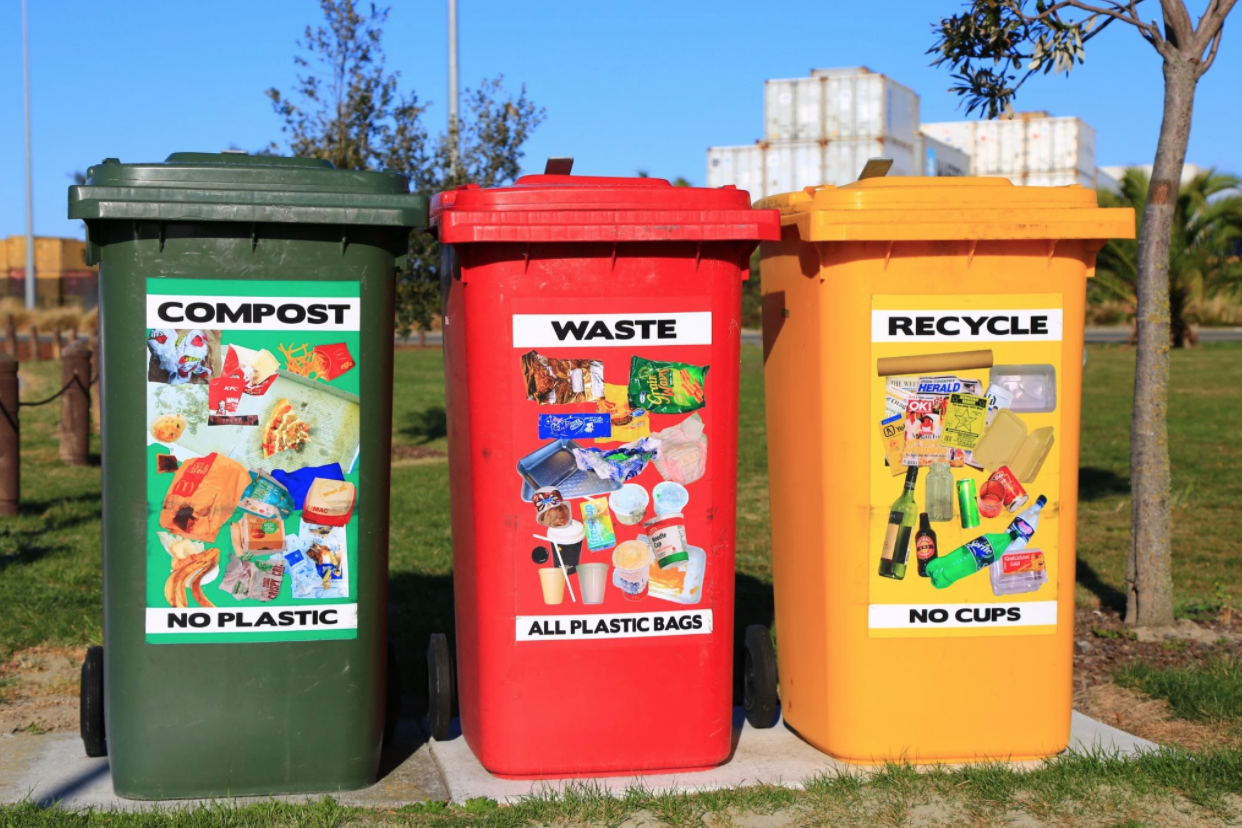
Keep an eye out for the recycling labels on the back of packages and bottles. Determine whether or not an item is recyclable before throwing it in the trash.
Remove metal caps and lids
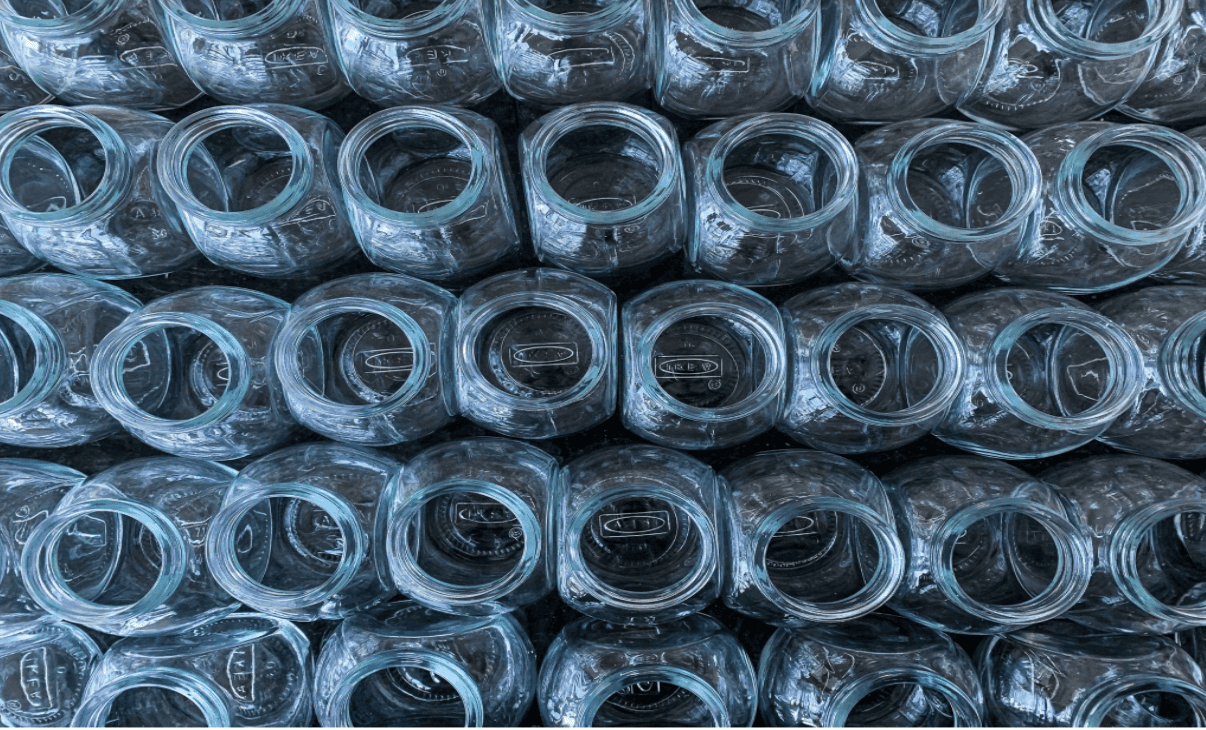
Metal lids and caps from glass jars can be put in the recycling loose because they will be captured by the magnetic sorter.
Empty and rinse all containers
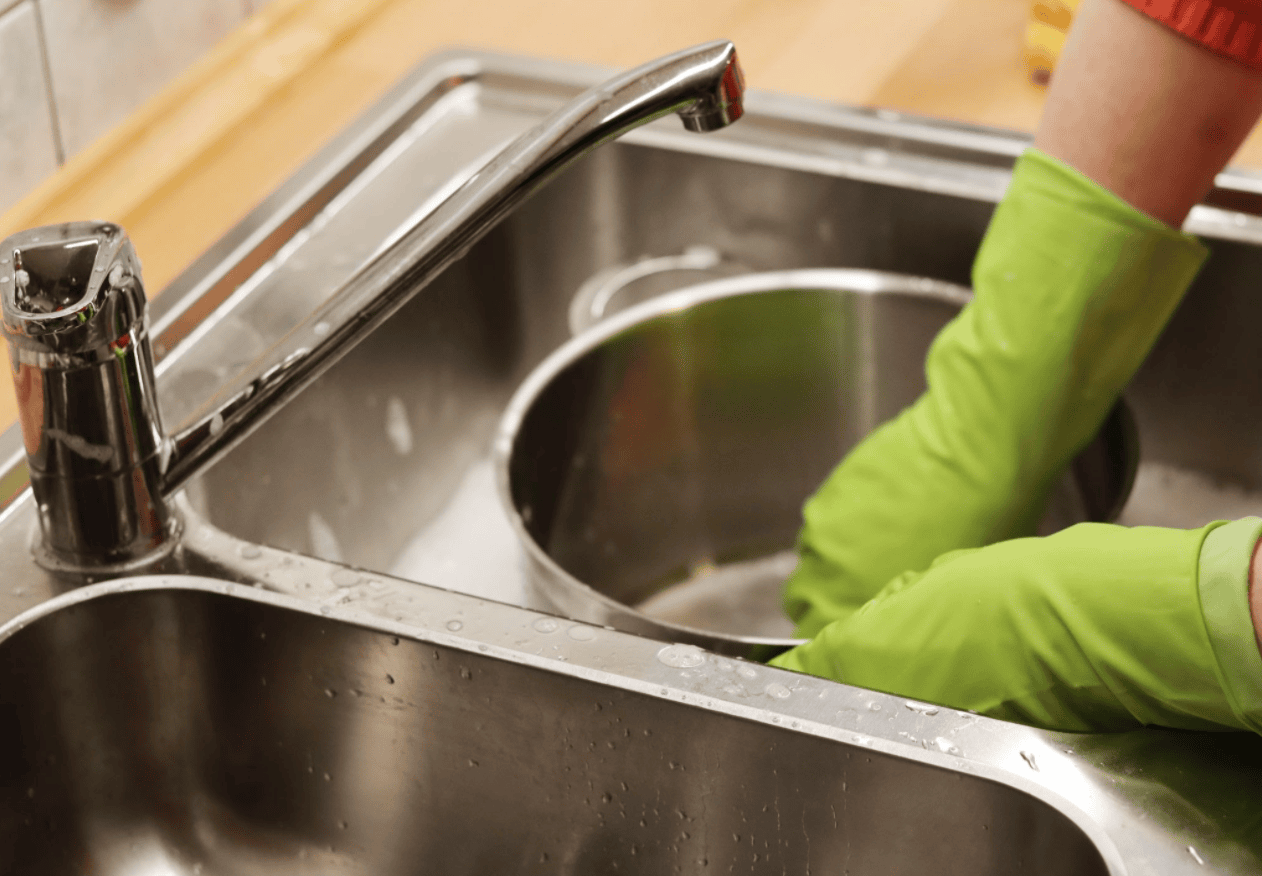
Wet and soiled paper or cardboard is unusable at recycling facilities and will be diverted back into landfills instead of recycled.
Do not recycle plastic bags
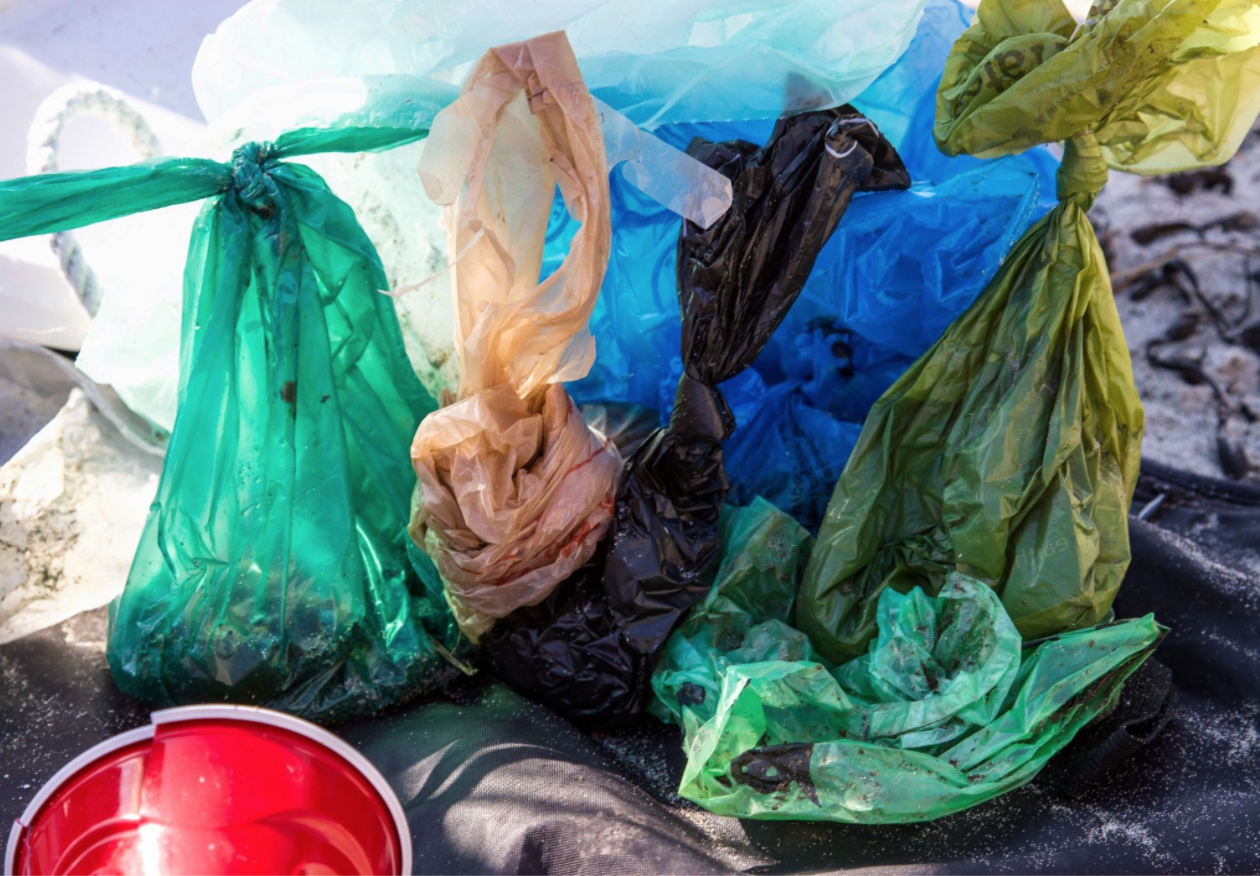
Plastic bags are one of the number one recycling contaminators. They get tangled in the gears at recycling facilities, which can be hazardous to the workers who have to untangle them.
Safely dispose of batteries
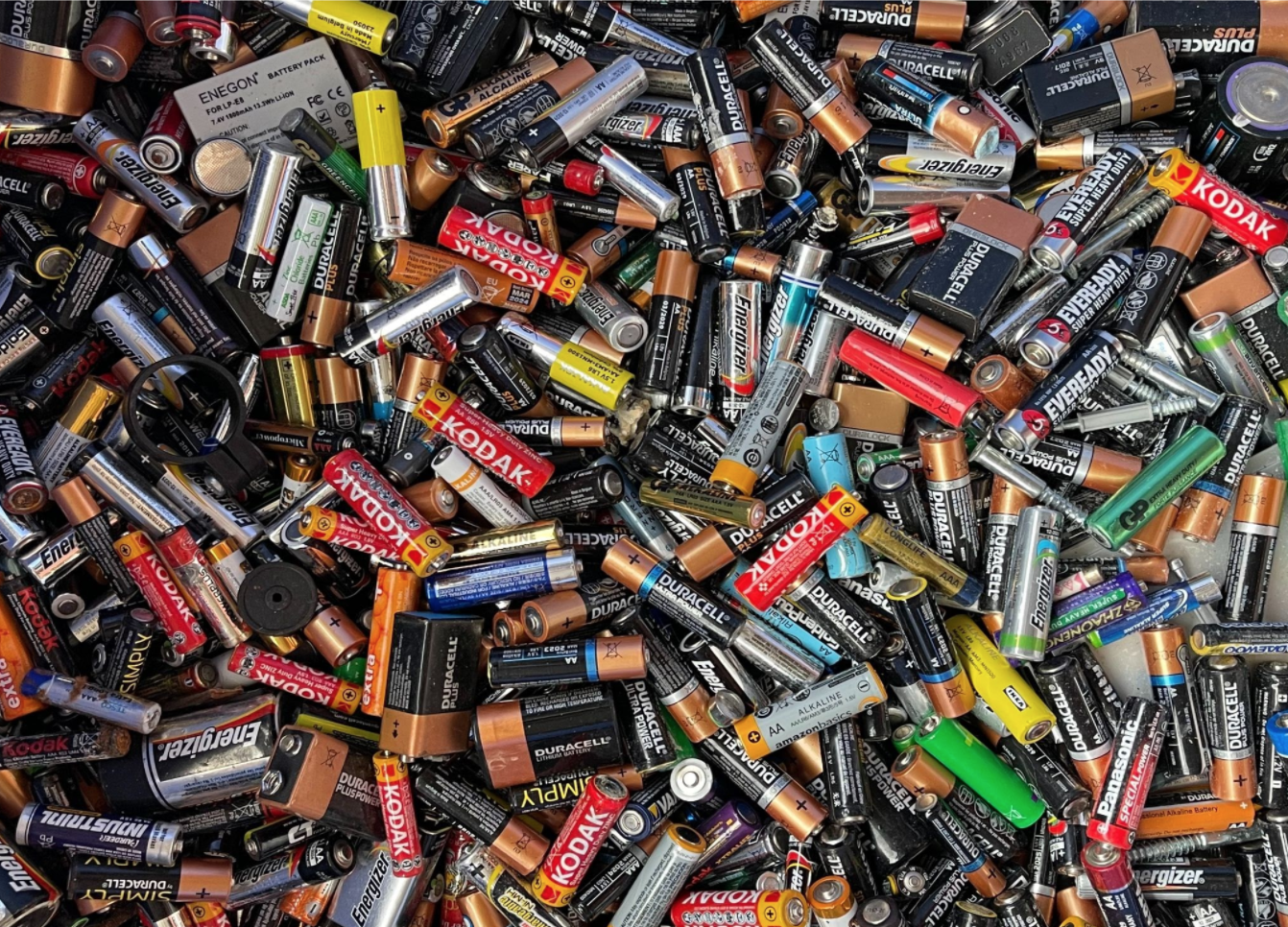
Throwing batteries in the recycling bin is dangerous. They can cause fires due to combustion and medical leaks. They can also leak on other materials such as paper and cardboard and contaminate the rubbish load which will then end up in landfill.
Coffee cups belong in the trash
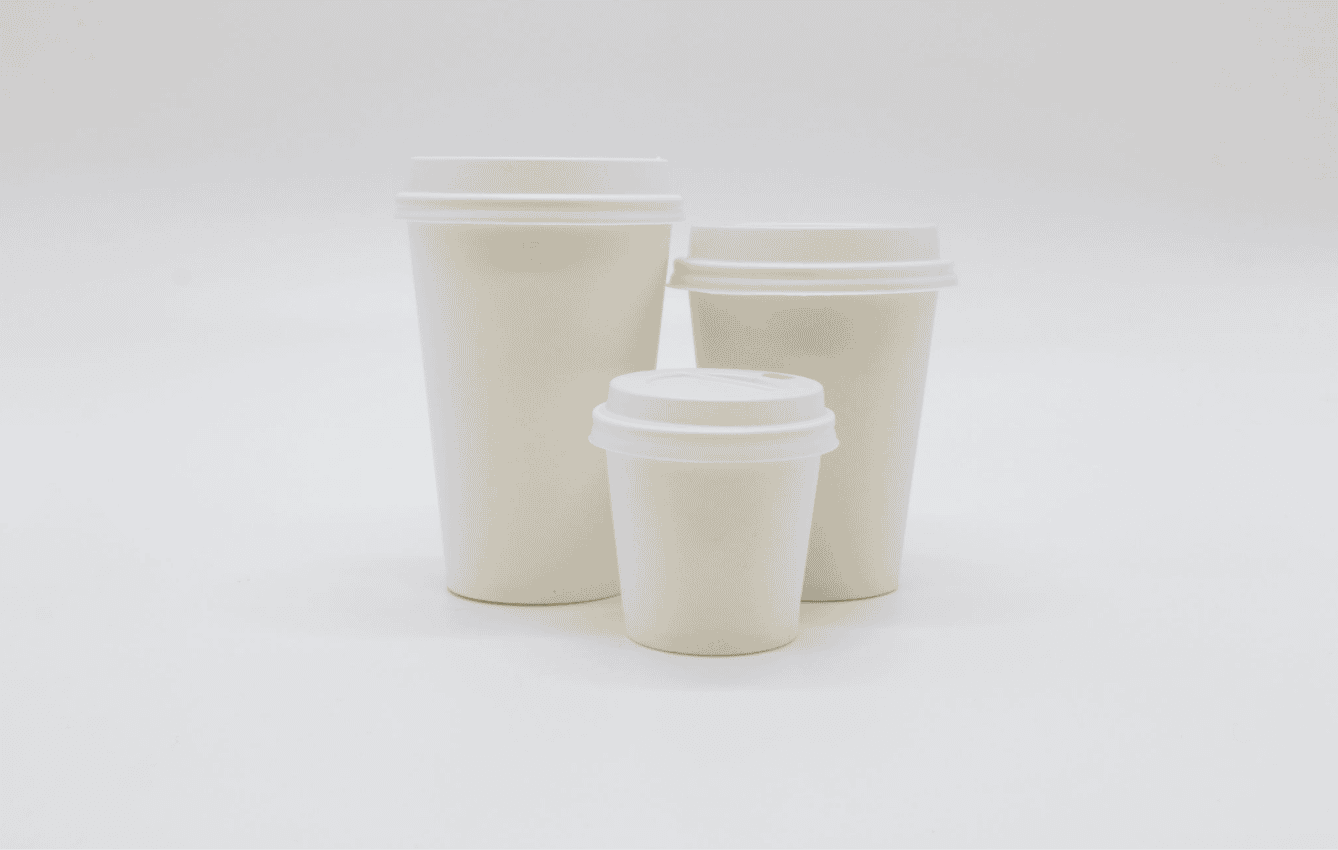
Coffee cups are not actually recyclable. They have a plastic lining on the inside which prevents the liquid from leaking. Throw these in the trash to avoid contamination.
Soft paper products cannot be recycled
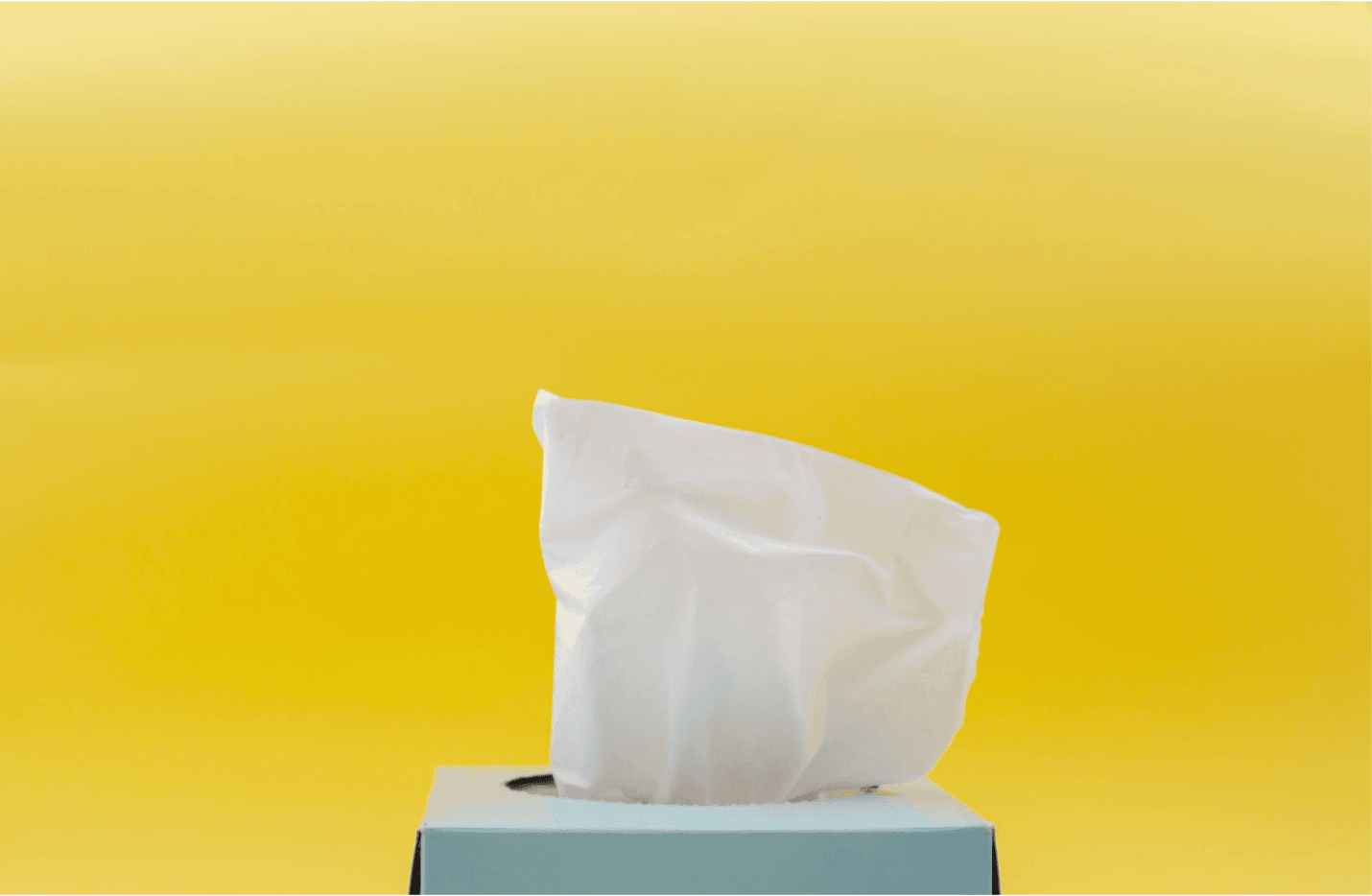
It’s common to think that items such as tissues and paper towels, napkins are recyclable. They are soiled by the time they are ready to be recycled which means they can contaminate other recycling products.
Pots and pans cannot be recycled at home
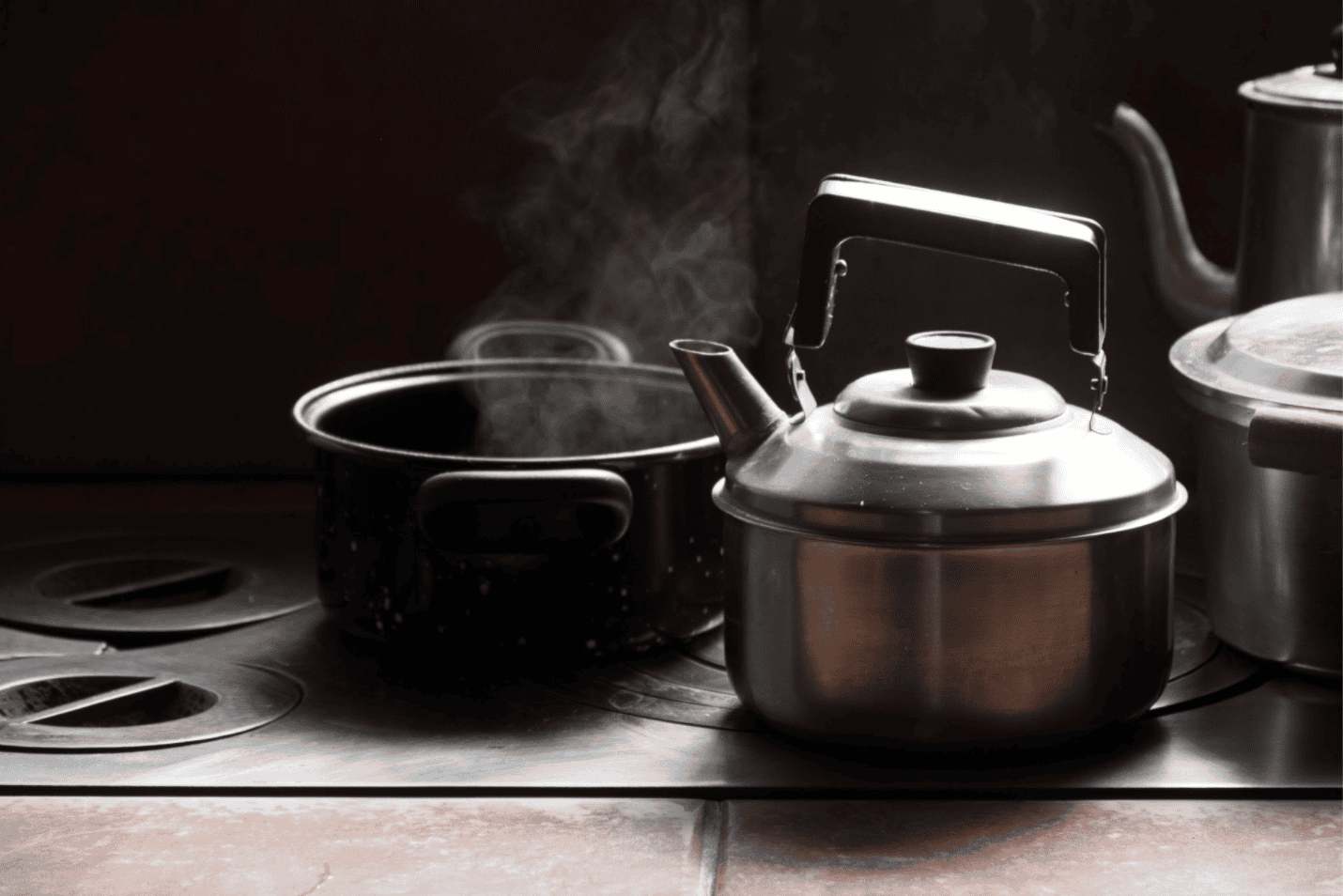
Pots, pans and cutlery items can be recycled at your nearest recycling facility or donated at your local charity shop.
Compostable items can contaminate your recycling
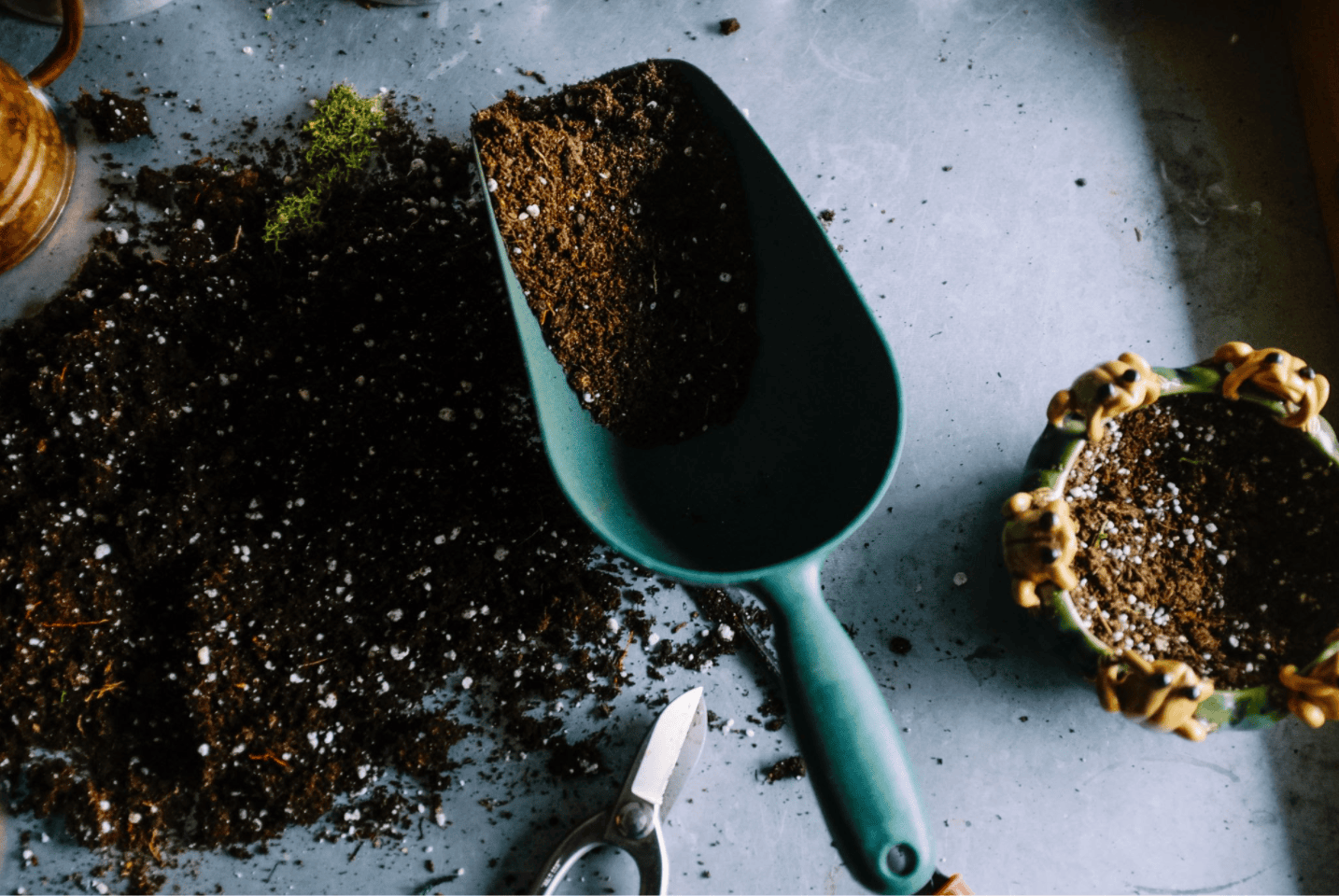
Compostable items can contaminate your recycling. The processes of composting and recycling are very different, so you can’t recycle food waste or compostable serviceware.
Recycle household products
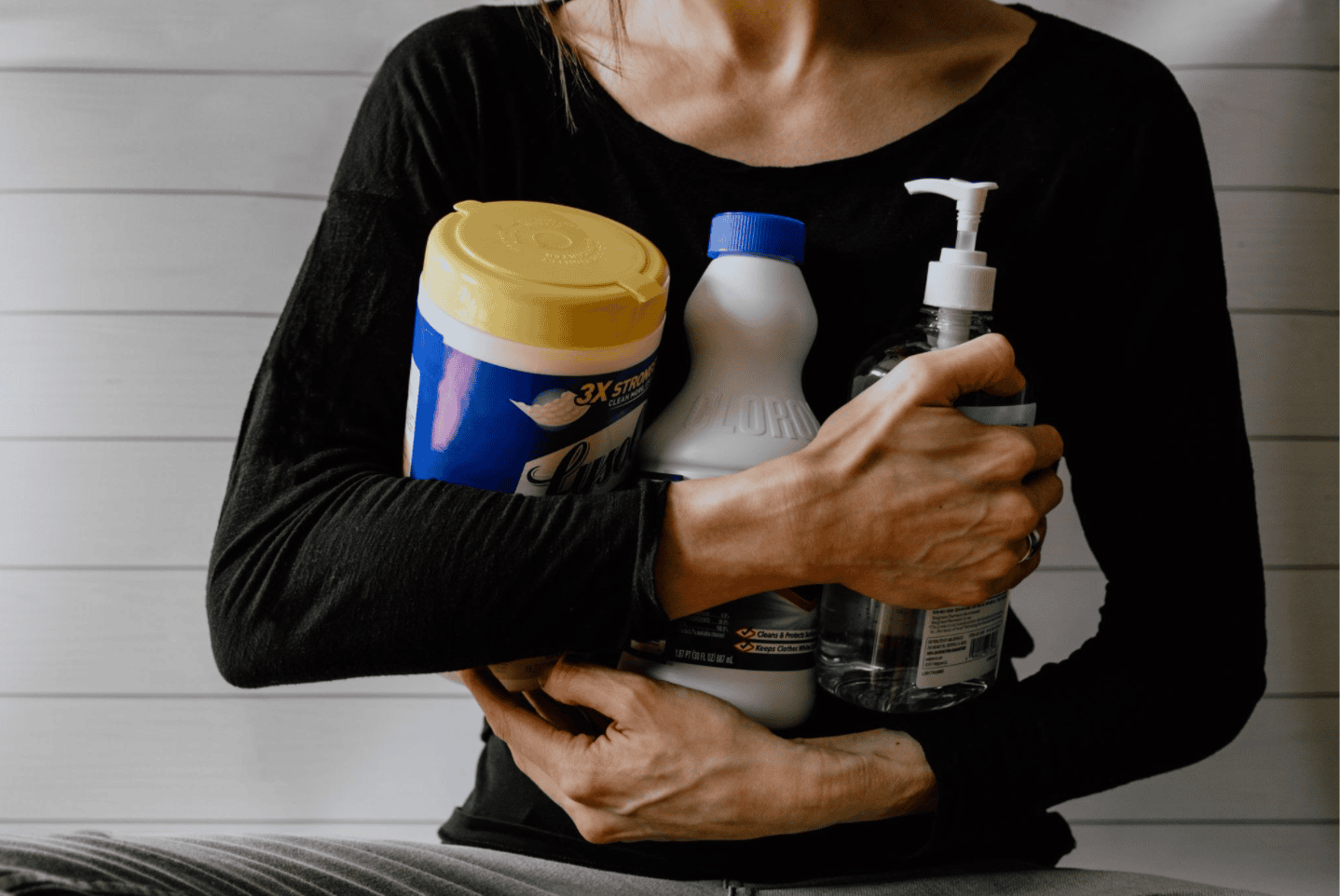
Don’t forget to recycle shampoo bottles and other household products around the house. Rinse the bottles thoroughly and make sure to check the recycling labels.
It is important to maintain a healthy recycling program so we can make better use of our limited resources and help reduce our carbon emissions. If we learn to stop recycling contamination, we will be able to help our recycling facilities flourish safely and efficiently.
If you are looking to get rid of waste our team at Bonza Bins are happy to help you. Get in touch with us. It’s also always a good idea to look for more sustainable options whenever possible in order to avoid the landfill. The most affordable skip bins Armdale!